telling stories
I wish I was a better storyteller.
I remember during our recent trip to Hawaii, we spent 3 hours with our eccentric American driver as we drove through the winding road to Hana (after landing on the wrong side of the island). I was captured by his monologues cataloguing his life in Hawaii, including meeting the Top Gear crew, his encyclopaedic knowledge of Axis deer and his belief in Aliens. It was the best ’live podcast’ episode I’ve listened to.
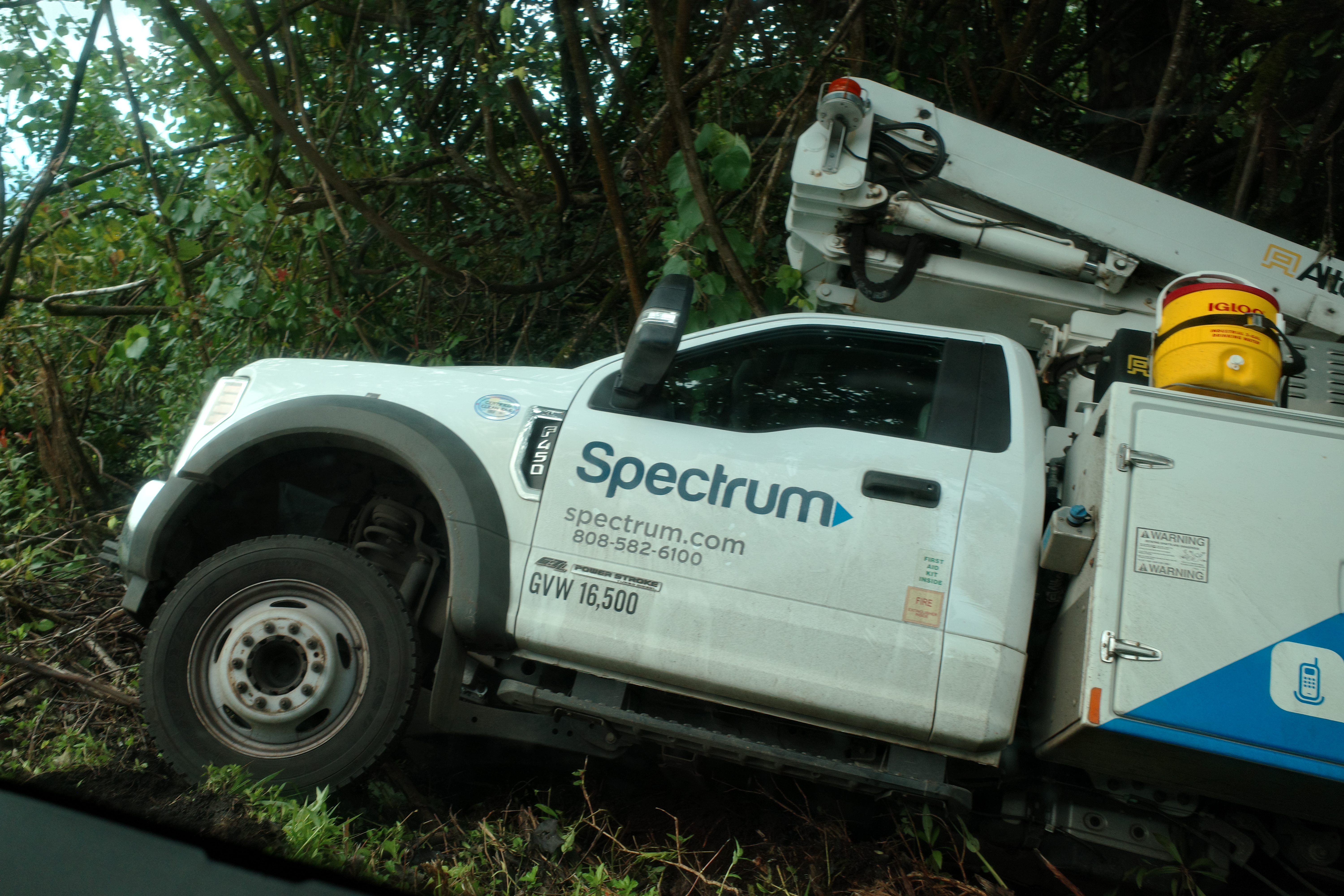
I thought, this is why I love Americans. They are some of the most extroverted, engaging people. I also thought ‘God I wish I could tell stories like that’.
This is my attempt to write some advice to myself on how to do this.
Write down your stories
I feel like the best stories have been told multiple times. They are not off the cuff, even though they seem to be. They’ve been forged in the furnace of ’trial and error'.
One of my university flatmates was a terrific storyteller. During a house party, I remember him telling the same story to 3 different groups of people (and he had them captured). Intentionally or unintentionally, a good story is usually good because it’s been told multiple times and refined.
This is where writing about your life (diaries) is useful; not only in remembering your own life, but in cataloguing all the funny, extreme and insightful stories one inevitably ends up in.
The hook
Start off with the hook. A hook is a sentence that introduces an unsolved mystery into the listener’s mind ; something that makes them want to know the answer.
Storytelling is about strategically withholding information
For example (benign to more and more deranged). The questions of ‘why’ and ‘how’ are introduced in each :
- “I had the worst day yesterday”.
- You’re not going to believe who I ran into at the gym…"
- I think I just witnessed the most awkward first date in history
- Today I learned why you should never try to be helpful at airport security.
- “It turns out you can accidentally become a cult leader.”
This is in contrast to just stating the facts of the story : “I punctured my car tire yesterday 10 minutes from my house and had to call a £50 tow to move my car up the road” (happened a few months ago, it was at the bottom of a giant hill in all fairness).
Stating everything upfront, takes away all of the mystery from the story.
The best storytellers tend to introduce many hooks throughout the narrative by raising questions without immediately answering them.
Elaborate
After the hook, comes the elaboration. This is where you delve into the details of the story. It is slowly colouring in the black and white pencil sketch you’ve introduced with your hook.
Short and sweet is better in general. Introducing too much irrelevant detail takes away from the narrative. Remember, the core of story telling is about withholding information ; introducing questions and dragging out the reveal of the answer.
It’s probably therefore best to tell stories chronologically. This keeps an air of suspense because then you aren’t spoiling what happens later. Tell the story as you experienced it during the time.
Over the course of the story, you should answer the question/s introduced by your hook/s.
Reflect
The very last few sentences should answer your hook.
Generally the best stories, then have some takeaway or reflection. They may be formative moments (heroes journey), painful moments (tragic) or plain bizarre and funny (’the punchline’).
Examples:
- Humorous twist : “thats why I always carry a rubber chicken in my glove compartment”
- Life lesson : “sometimes the most memorable conversations happen when your plans go completely wrong”
- Character growth : “It made me realise I’m not as introverted as I thought - just selective about my audience”
- Full circle : connecting back to your opening hook in a satisfying way
Going back to the initial story I told about our American driver. I could say " I wonder if he tells the same stories to every tourist, perfectly refined over years of practice. But then I realise - isn’t that exactly what makes them so good? We’re all just practicing for our own live podcast episode."
Writing
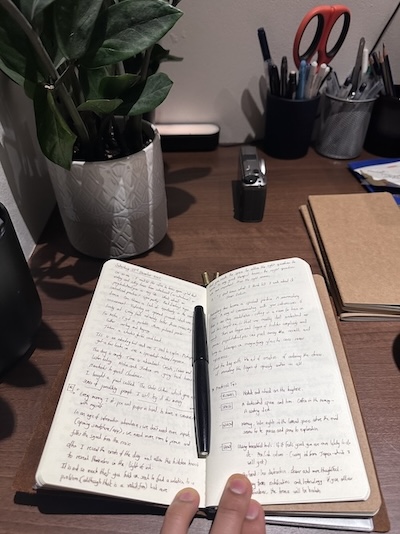
I was listening to a talk with Pico Iyer (after reading his most recent book), and someone asked him how he remembers all these stories and details. He reached into his pocket and pulled out a small notebook. He just writes it down there and then, when the details are not clouded by fading memory.
In my last solo trip abroad, I decided to do this and ended up with a whole notebook full of observations and details that I would have otherwise been lost. In an age where we can record video and take photos of wherever we go, what we miss out on is the subtle internal dialogue that can only be captured by writing it down there and then.
iPhone notes is probably the easier way.
Conclusion
This is a process. I want to become a better storyteller for myself, so I can make sense of all the beautiful memories and trips I’m privileged to be able to experience.
writing about yourself
TLDR : More people should write/vlog/document their lives.
Every time I write, I’m having a conversation across time - with my past self who lived these experiences, and my future self who will one day rediscover them. Recently, this idea has been on my mind as I’ve fallen down the rabbit hole of reading personal blogs and watching YouTube vlogs
There’s been a backlash against influencer culture. No-one wants to watch the 1000th vlog of a person’s morning routine and their day in the life of a insert corporate job here. No-one wants to scroll through the same feed of curated photos of the highlight reels of someone’s life.
But I’d argue that you should go ahead make these.
Primarily because the person doing the writing or filming gains a few invaluable things in the process.
The first, is that you get to exercise your creative muscles and actually put something out into the world, rather than just consume. The second is that, you’re future self will thank you. It’s a snapshot of ‘you’ at that time, place and mindset. Something you can look back on.
I used to have a video gaming channel as a teenager where I played through minecraft. I had a regular audience of 1000’s of viewers, with one video blowing upto 1 million views. I deleted them out of self consciousness after a friend made a comment (and I regret it to this day). Since that day, I’ve vowed to keep every project/photo/video/writing that I create (not always putting them out publicly).
Lastly, the act of writing, filming, document is ultimately about crafting a narrative. These narratives are inherently flexible. They’re upto your interpretation. By actively engaging in the process of looking at that narrative, you can decide which bits are worth keeping and which are not.
I like the analogy of a drawer. As you go about your day, the various experiences, conversations, observations, feelings, fantasies accumulate within the drawer. But they are thrown in at random, haphazardly.
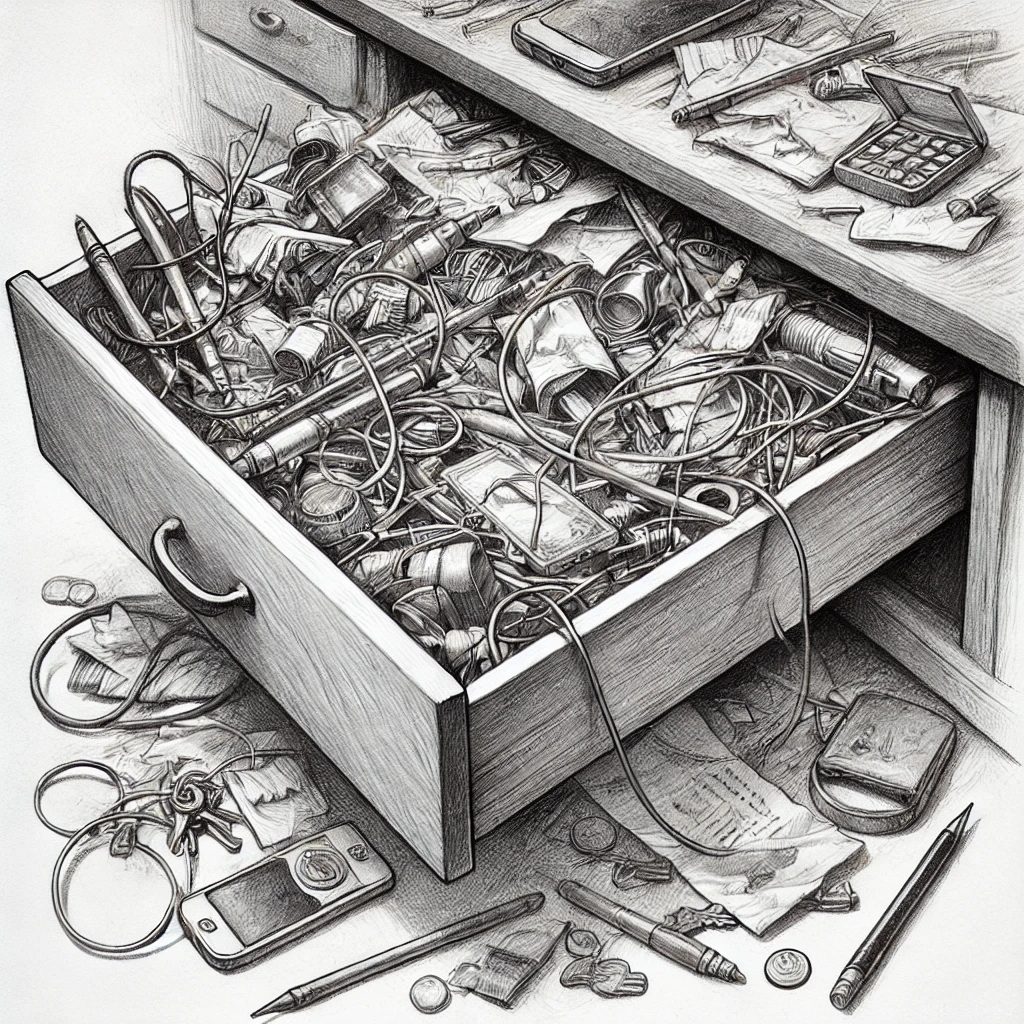
Writing to me, is taking out each piece, one by one, looking at it deeply, seeing what it means to you, where it fits in and then rearranging it neatly within the drawer (or getting rid of it entirely).
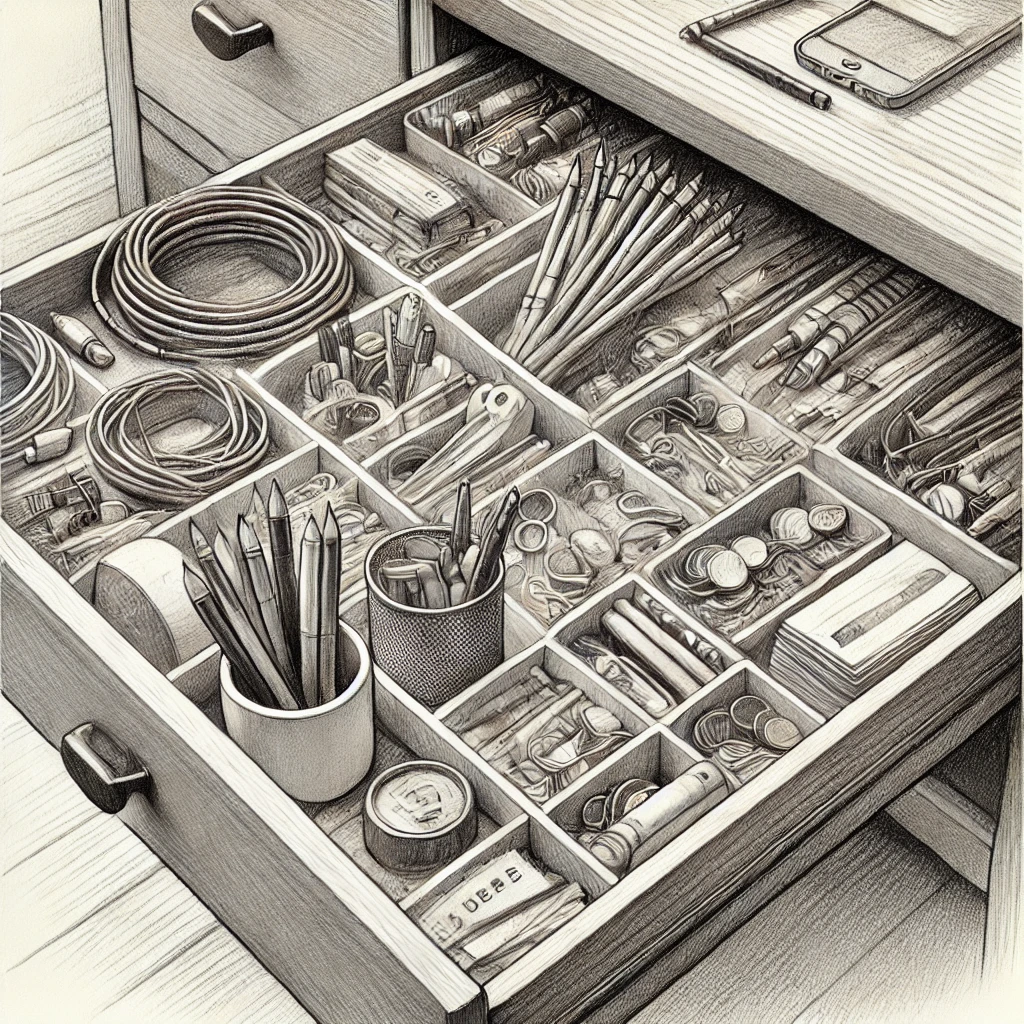
Living a rich, interesting and varied life is valuable, but only as valuable as the stillness and sense we bring to it. Through looking back at your experiences, you can see where it fits into the broader perspective.
In the process you might discover hidden insights and new ways of seeing that one would have never thought about before.
I think you will live more curiously if you write (or film yourself, or take photos, or make any art) because you become a scientist of your inner landscape. You are inspecting each passing thought or story, welcoming it, observing it curiously and ultimately letting it go.
And sometimes, when you read back your own words months or years later, you might find that past-you left exactly the wisdom that future-you needed to hear.
photography
I’ve been walking more and taking more pictures.
I’m not a good photographer and I’m not a professional. I’m an amateur (at most things). But I’ve fallen in love with taking photos over the years. The word amateur after all comes from the Latin word ‘amare’ which means to love. To do things for the love of it
These are a few reasons why I enjoy the process.
1. Learning to see
Taking photos is about capturing a moment in time, but it’s about training the skill of seeing (I guess I do this in my professional day job as a radiologist).
You don’t have to take pictures. What you’re doing is creating a way of seeing ; looking for beauty. If you happen to have a camera ready, then go for it. Otherwise, appreciate and let go. I’m reminded of this scene in Walter Mitty.
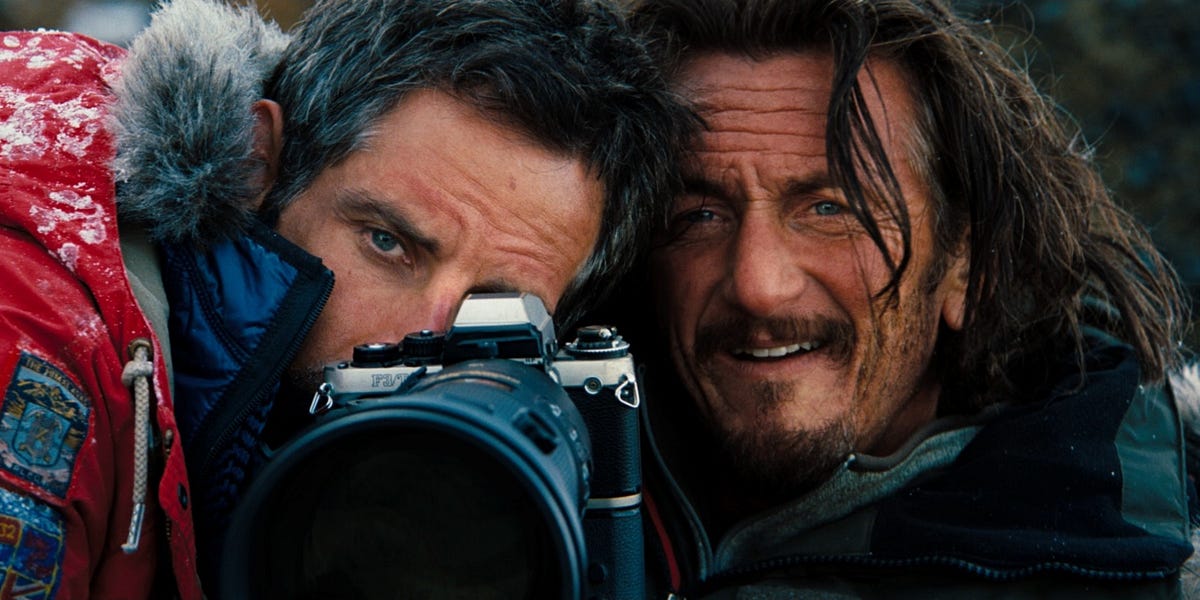
Walter Mitty: Are you going to take it?
Sean O’Connell: Sometimes I don’t. If I like a moment, for me, personally, I don’t like to have the distraction of the camera. I just want to stay in it.
Walter Mitty: Stay in it?
Sean O’Connell: Yeah. Right there. Right here.
2. Walk, preferably alone
Solitude and taking photographs are connected in an important way. If you aren’t alone, you can never acquire this way of seeing, this complete immersion in what you see, no longer needing to interpret, just looking … There’s a distinct kind of satisfaction that you get from looking and traveling alone, and it’s connected with this relation of solitude to photography … If you’re not alone you take different photos. I rarely feel the urge to take pictures if I’m not on my own.
Wim Wenders ( “Written in the West,)
Solitude is essential in so many ways. In fact I’m convinced its the only way to understand and surpass the dreaded sense of loneliness we all experience. Paradoxically, by being alone, you understand what loneliness is.
In terms of photography and looking, by being alone, you’re undistracted by the sense of self. In solitude, you gain total immersion.
I like walking alone. I’m learning that I especially like walking alone shrouded by the anonymity of a large city.
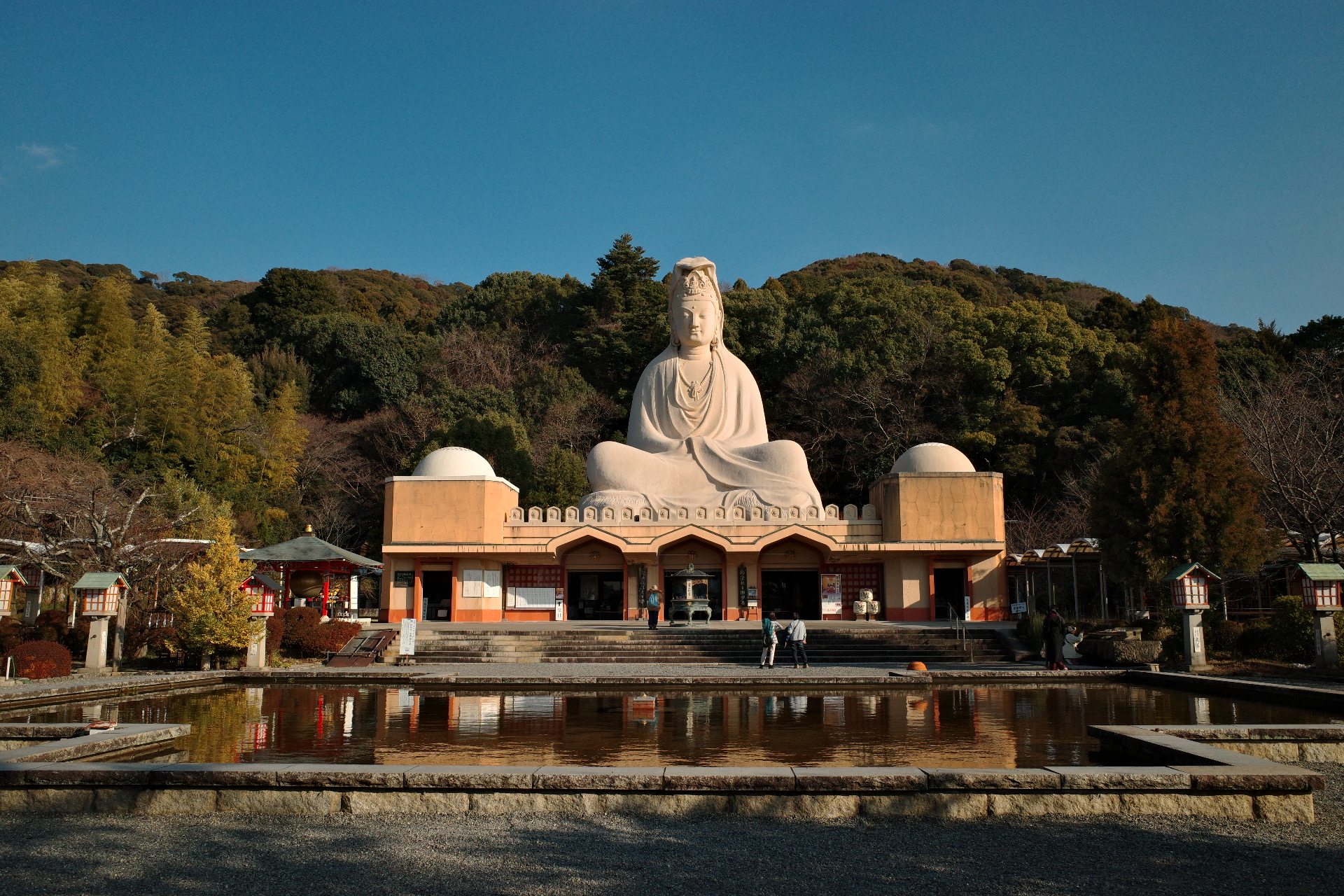
3. The camera really doesn’t matter
It really doesn’t. I’m finding that in creative endeavours, the more constraints I have, the fewer barriers there are to creating.
One camera is all you need, and its the one you have on you. I’m finding the smaller the camera, the better.
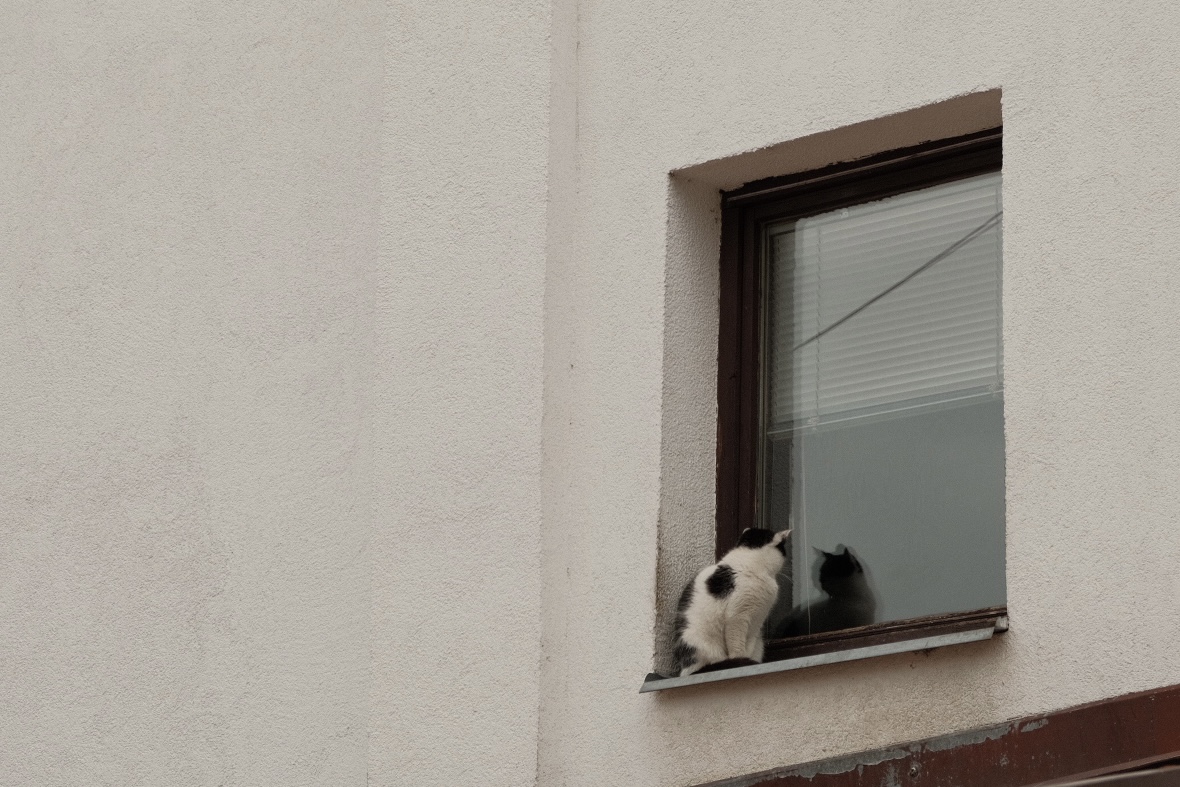
4. Follow the light
I remember listening to a podcast interviewing the poet David Whyte where he recounted how when he used to live in Paris, one of his pastimes was going on ’light walks’ (I forget the exact phrase he used). He would pick a direction and walk, winding his way through the streets of Paris allowing his route to be determined by the way the light fell.
I’ve done this in London, and ended up walking for a good 4-5 hours along the Southbank, Central London, Soho all the way back to Kings Cross.
The aimlessness is quite freeing.
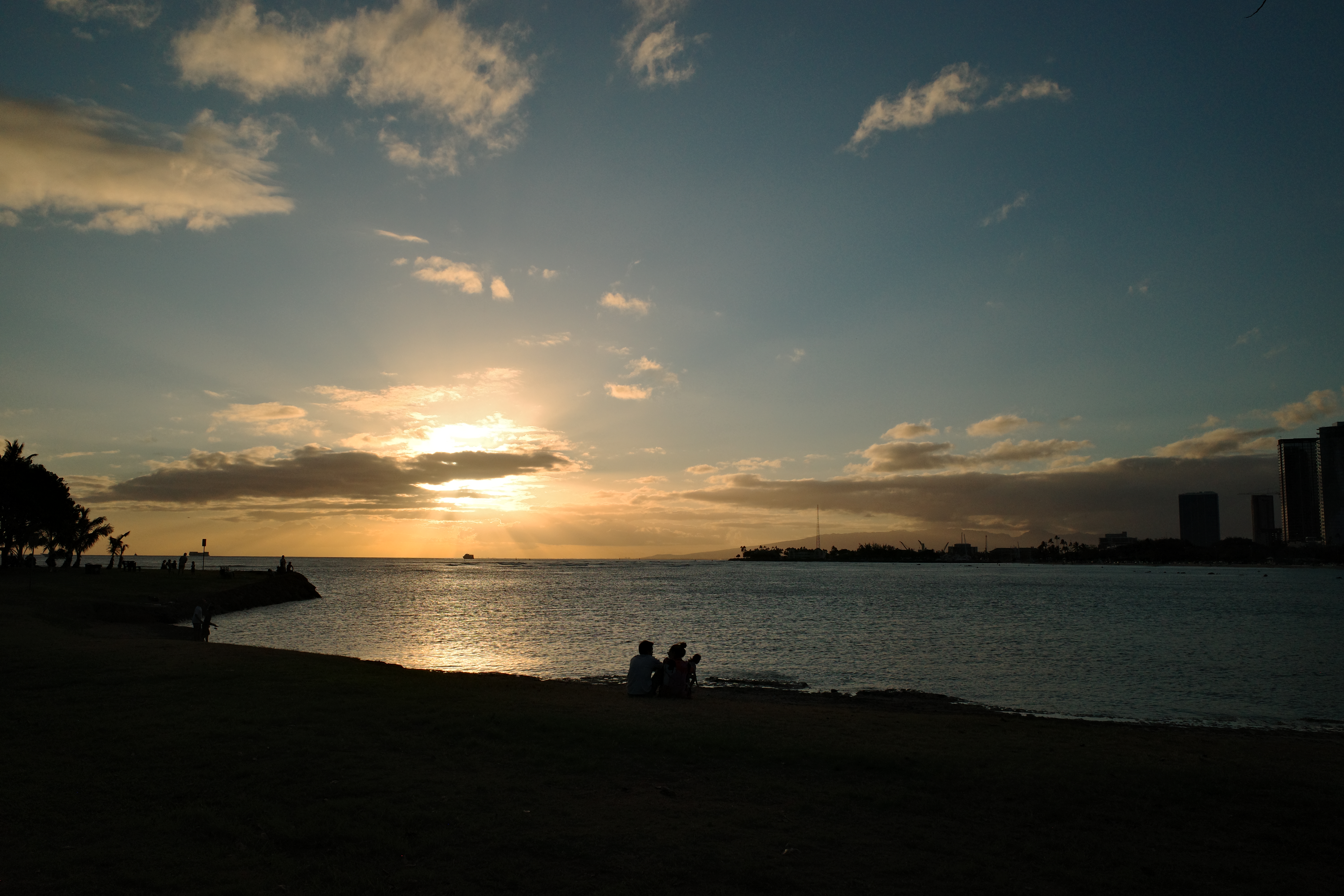
5. Tell a story
The best photos have a story (often a secret one that only you know).
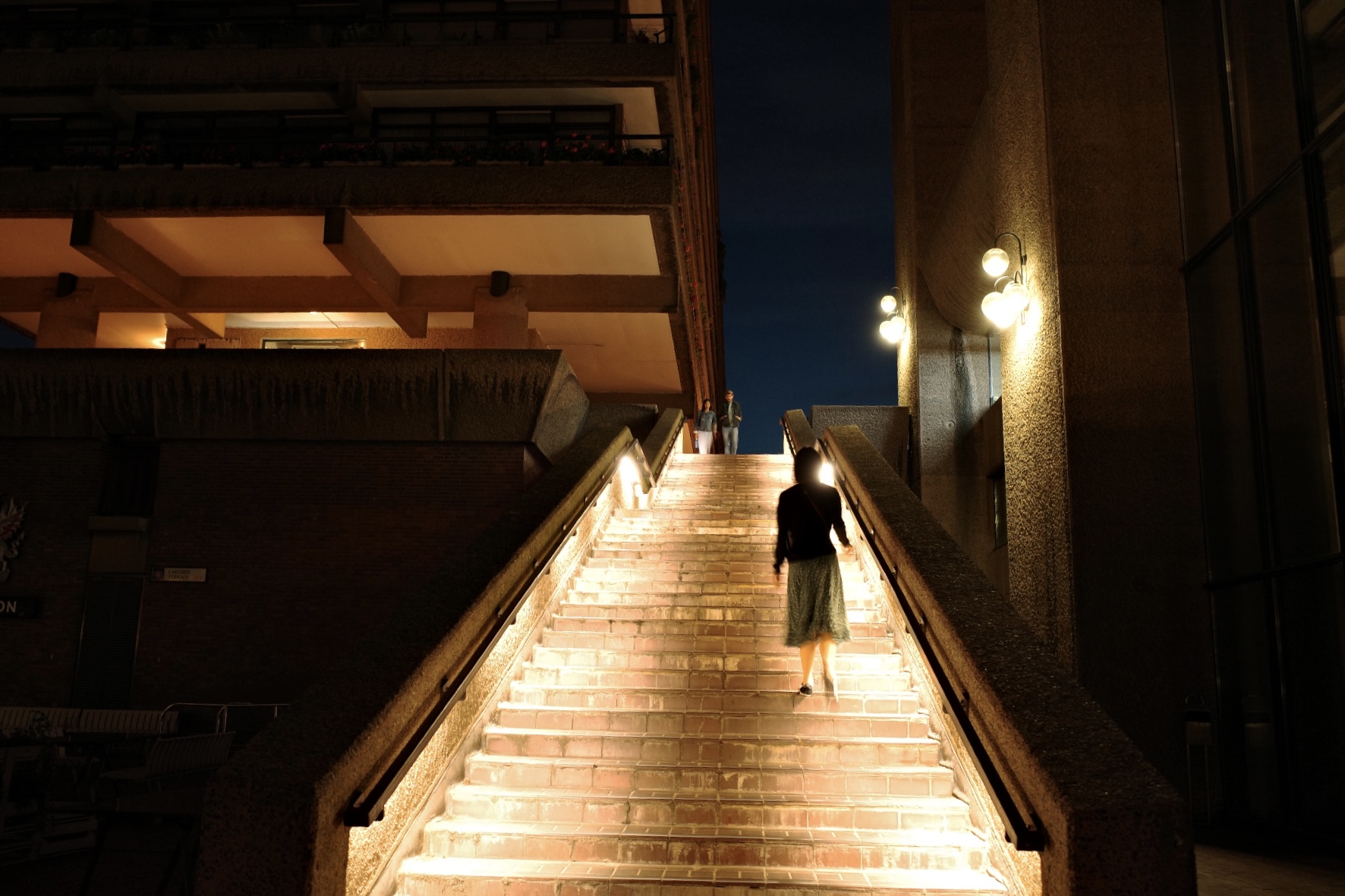
You should take pictures for yourself, because they are a way of crafting a story of your life. Of remembering your life.
When you’re 70-80 years old (if I make it that far), a photo will spark the embers of a happy memory (or a lesson that was learned).
I do also want to explicitly write about various photos and experiences. I’ve been meaning to catalogue all my favourite photos - either on this blog, or perhaps using a platform like ‘Glass’.
6. Take lots of pictures. Don’t take lots of pictures.
There is no right answer. I personally take 1 picture of a moment and call it a day. I inevitably will miss a lot of the time, or the picture doesn’t come out quite right.
The alternative is to take multiple pictures and then review/edit afterwards.
It’s a personal approach. Similar to writing. Some writers will write their first draft quickly, and then edit till they are happy. Others will meticulously craft each sentence and then edit very little.
Other unfortunate pretend internet writers will just write and not edit (to overcome the tyranny of expectations).
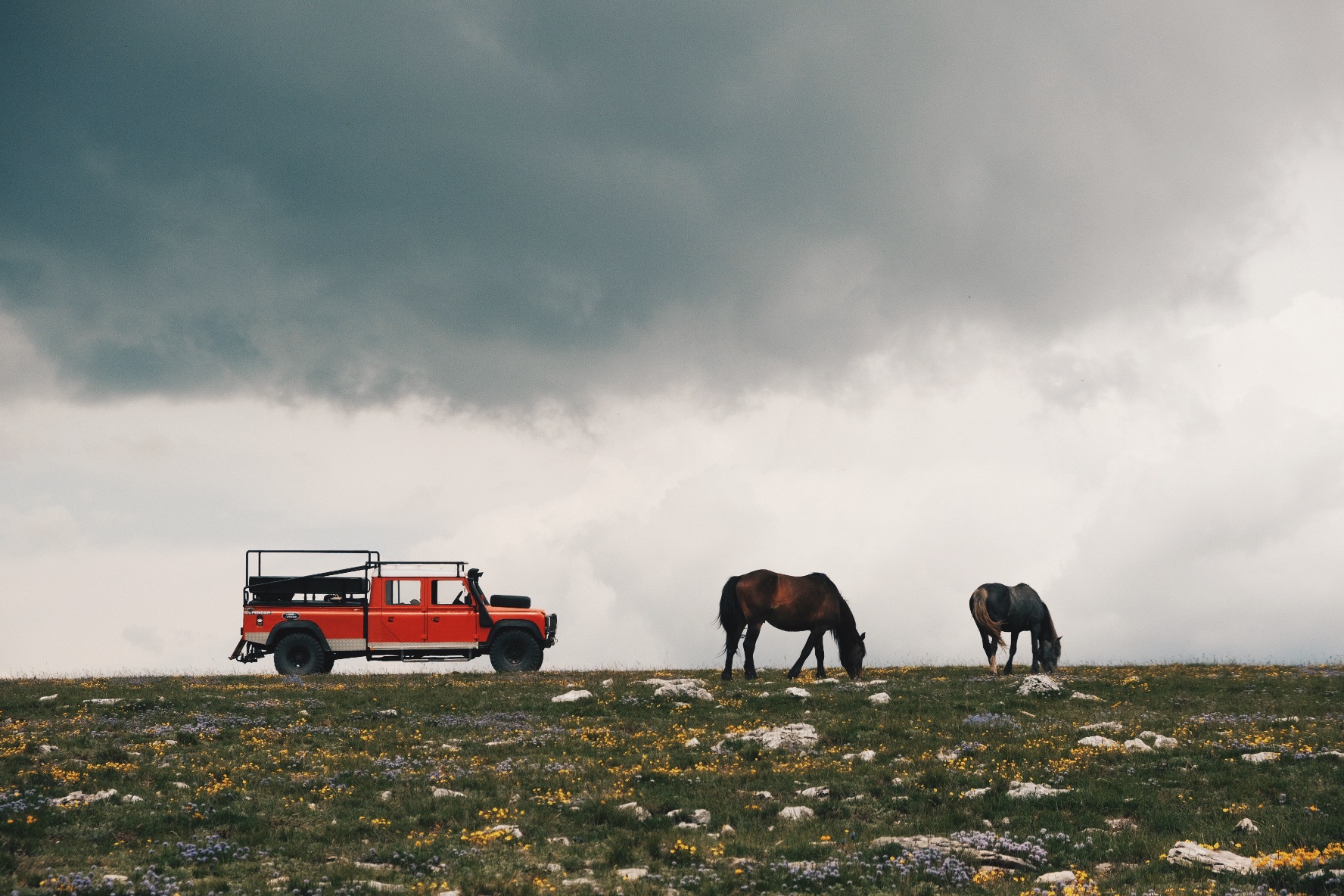
7. Beauty in the mundane
I keep returning to this phrase and this outlook. Beauty is in the mundane. It’s all around, we’re just not receptive to it when we’re rushing around, fretting about the past/future/present, upcoming projects, work, relationships etc.
It’s partly why travel is so magical. It’s a temporary relief from those day to day burdens, and as a result it takes the lens cap off your senses, allowing you to see the beauty that was always there. My all time favourite human being (Pico Iyer) says it better than I ever could :
“And that’s the reason to go somewhere: not to see different things, but to see things differently. Travel is like being in love: suddenly all your senses are marked ‘on.’ You’ve never been so alive. You’ve never been so present. You’re experiencing things few people will ever know. When you’re traveling, you get to sample different versions of yourself.”
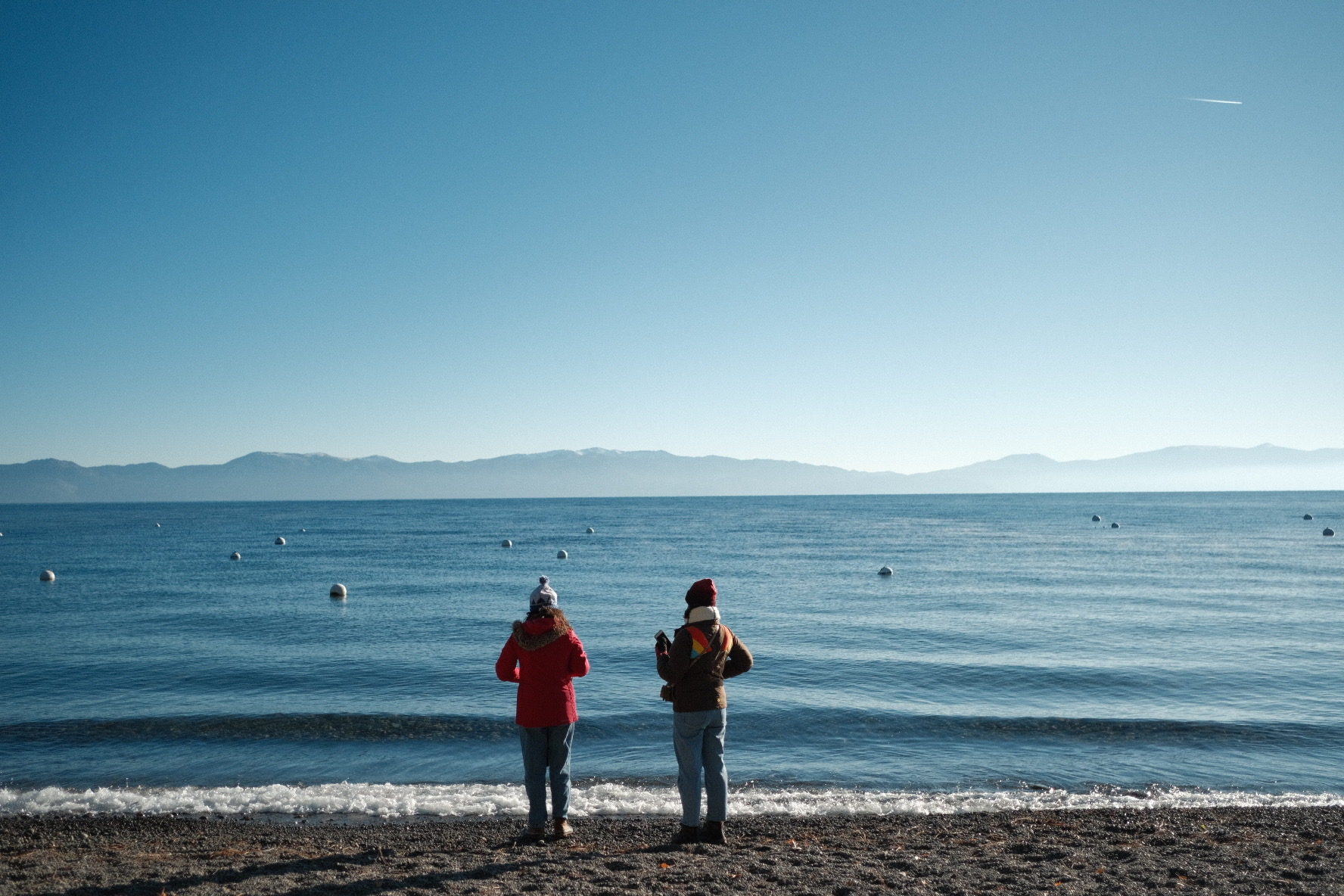
Photography and walking for me is meditation. It’s learning how to see. A reminder :
“A camera is a tool for learning how to see without a camera.” —Dorothea Lange