photography
I’ve been walking more and taking more pictures.
I’m not a good photographer and I’m not a professional. I’m an amateur (at most things). But I’ve fallen in love with taking photos over the years. The word amateur after all comes from the Latin word ‘amare’ which means to love. To do things for the love of it
These are a few reasons why I enjoy the process.
1. Learning to see
Taking photos is about capturing a moment in time, but it’s about training the skill of seeing (I guess I do this in my professional day job as a radiologist).
You don’t have to take pictures. What you’re doing is creating a way of seeing ; looking for beauty. If you happen to have a camera ready, then go for it. Otherwise, appreciate and let go. I’m reminded of this scene in Walter Mitty.
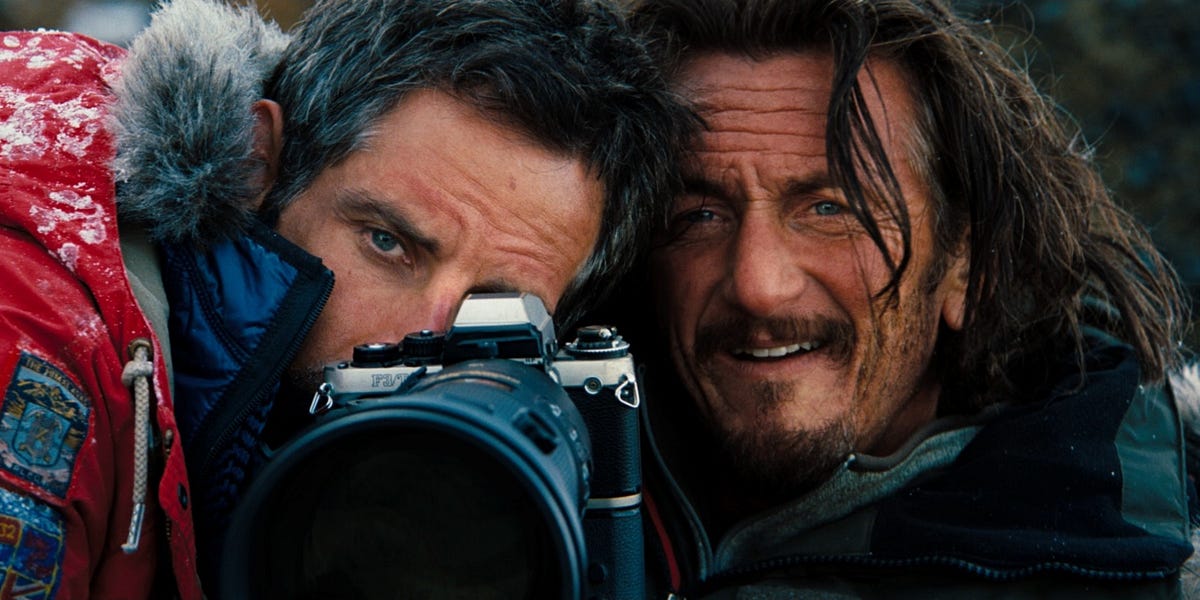
Walter Mitty: Are you going to take it?
Sean O’Connell: Sometimes I don’t. If I like a moment, for me, personally, I don’t like to have the distraction of the camera. I just want to stay in it.
Walter Mitty: Stay in it?
Sean O’Connell: Yeah. Right there. Right here.
2. Walk, preferably alone
Solitude and taking photographs are connected in an important way. If you aren’t alone, you can never acquire this way of seeing, this complete immersion in what you see, no longer needing to interpret, just looking … There’s a distinct kind of satisfaction that you get from looking and traveling alone, and it’s connected with this relation of solitude to photography … If you’re not alone you take different photos. I rarely feel the urge to take pictures if I’m not on my own.
Wim Wenders ( “Written in the West,)
Solitude is essential in so many ways. In fact I’m convinced its the only way to understand and surpass the dreaded sense of loneliness we all experience. Paradoxically, by being alone, you understand what loneliness is.
In terms of photography and looking, by being alone, you’re undistracted by the sense of self. In solitude, you gain total immersion.
I like walking alone. I’m learning that I especially like walking alone shrouded by the anonymity of a large city.
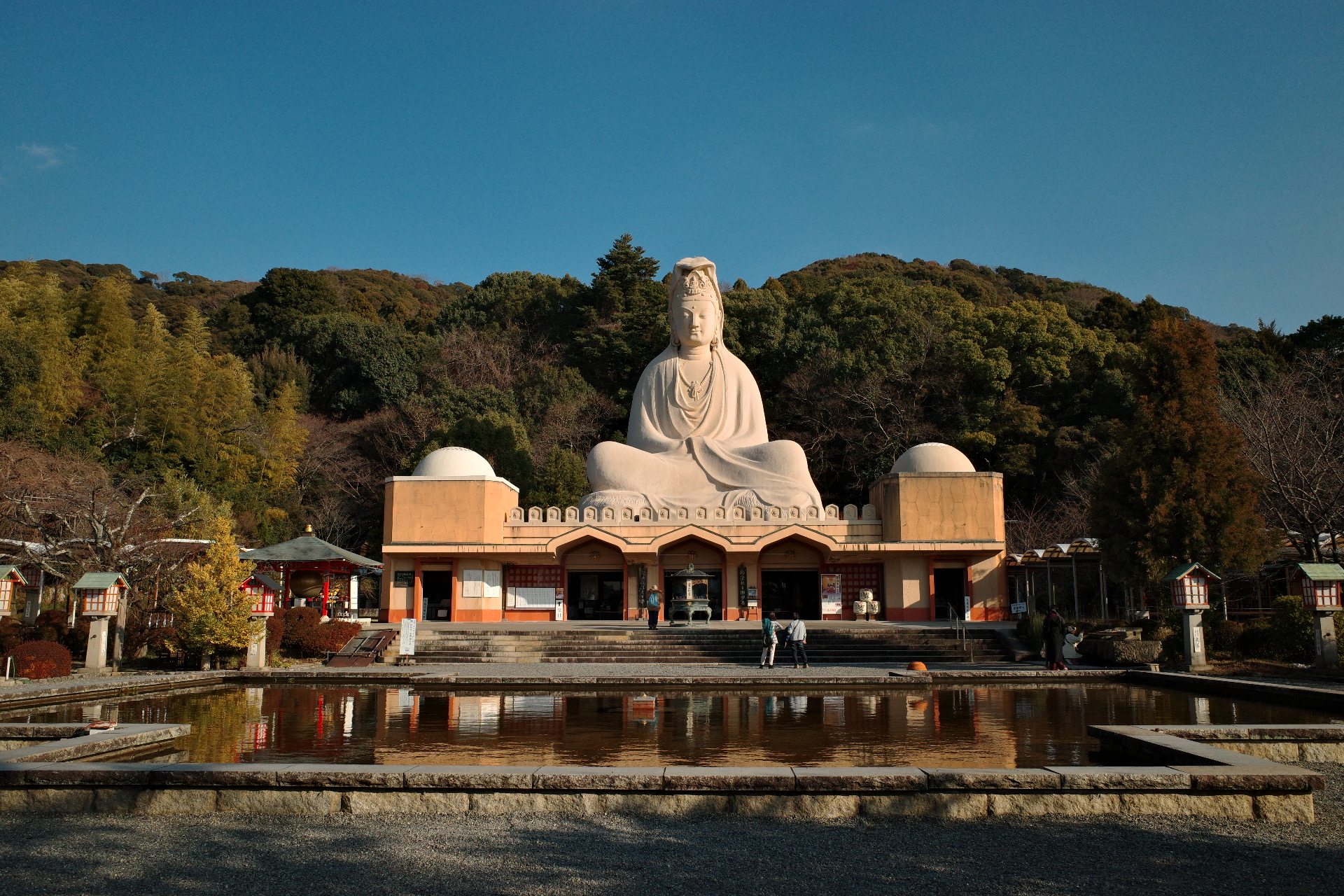
3. The camera really doesn’t matter
It really doesn’t. I’m finding that in creative endeavours, the more constraints I have, the fewer barriers there are to creating.
One camera is all you need, and its the one you have on you. I’m finding the smaller the camera, the better.
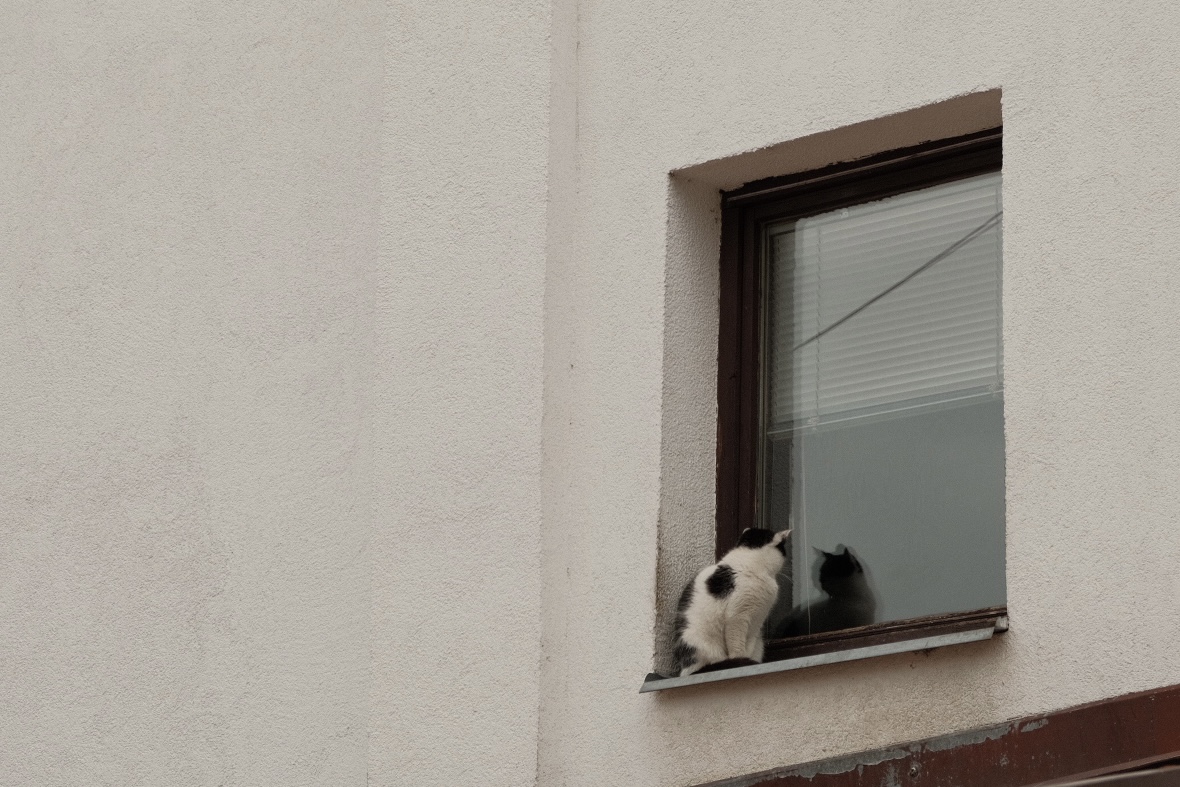
4. Follow the light
I remember listening to a podcast interviewing the poet David Whyte where he recounted how when he used to live in Paris, one of his pastimes was going on ’light walks’ (I forget the exact phrase he used). He would pick a direction and walk, winding his way through the streets of Paris allowing his route to be determined by the way the light fell.
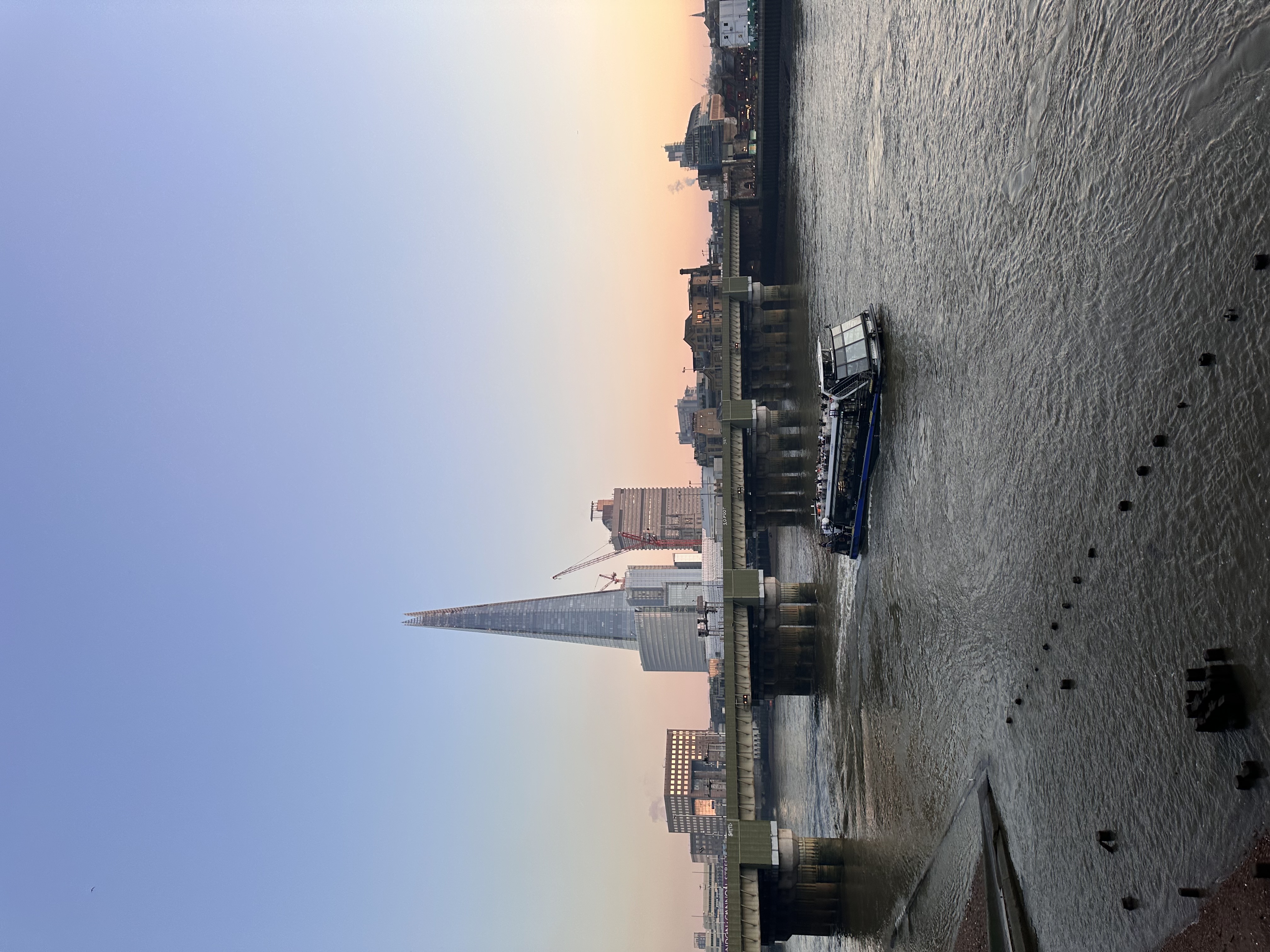
I’ve done this in London, and ended up walking for a good 4-5 hours along the Southbank, Central London, Soho all the way back to Kings Cross.
The aimlessness is quite freeing.
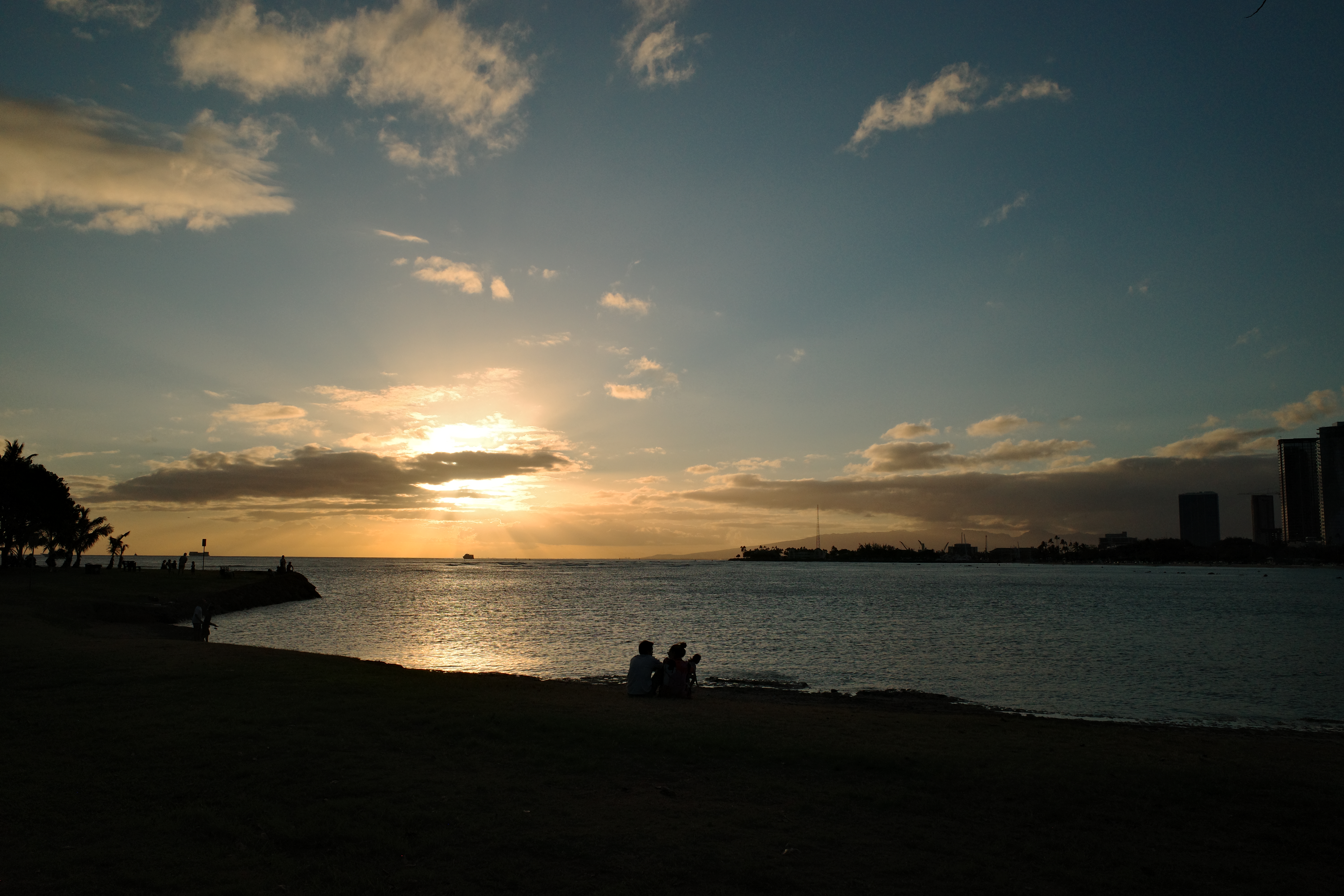
5. Tell a story
The best photos have a story (often a secret one that only you know).
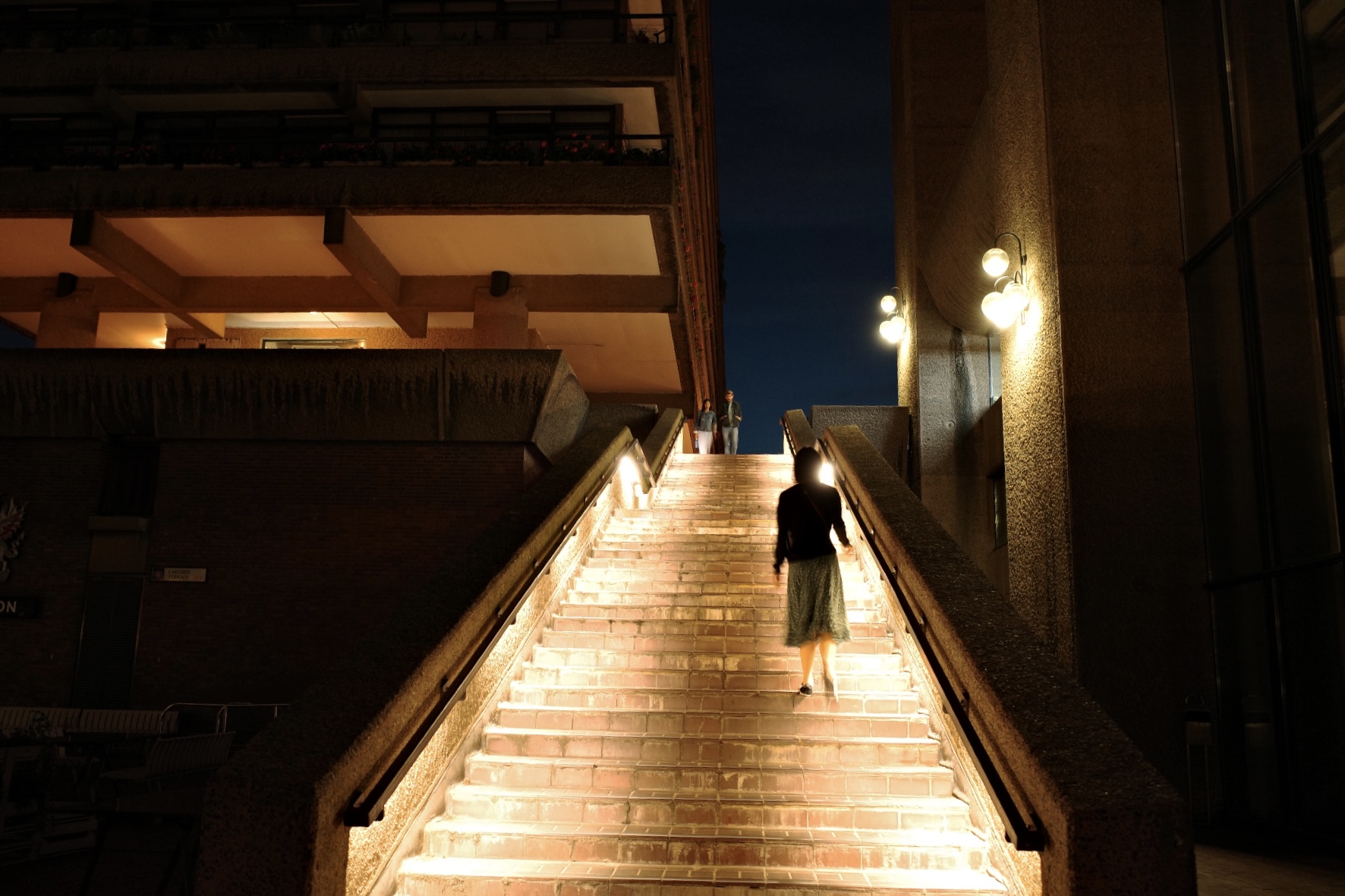
You should take pictures for yourself, because they are a way of crafting a story of your life. Of remembering your life.
When you’re 70-80 years old (if I make it that far), a photo will spark the embers of a happy memory (or a lesson that was learned).
I do also want to explicitly write about various photos and experiences. I’ve been meaning to catalogue all my favourite photos - either on this blog, or perhaps using a platform like ‘Glass’.
6. Take lots of pictures. Don’t take lots of pictures.
There is no right answer. I personally take 1 picture of a moment and call it a day. I inevitably will miss a lot of the time, or the picture doesn’t come out quite right.
The alternative is to take multiple pictures and then review/edit afterwards.
It’s a personal approach. Similar to writing. Some writers will write their first draft quickly, and then edit till they are happy. Others will meticulously craft each sentence and then edit very little.
Other unfortunate pretend internet writers will just write and not edit (to overcome the tyranny of expectations).
7. Beauty in the mundane
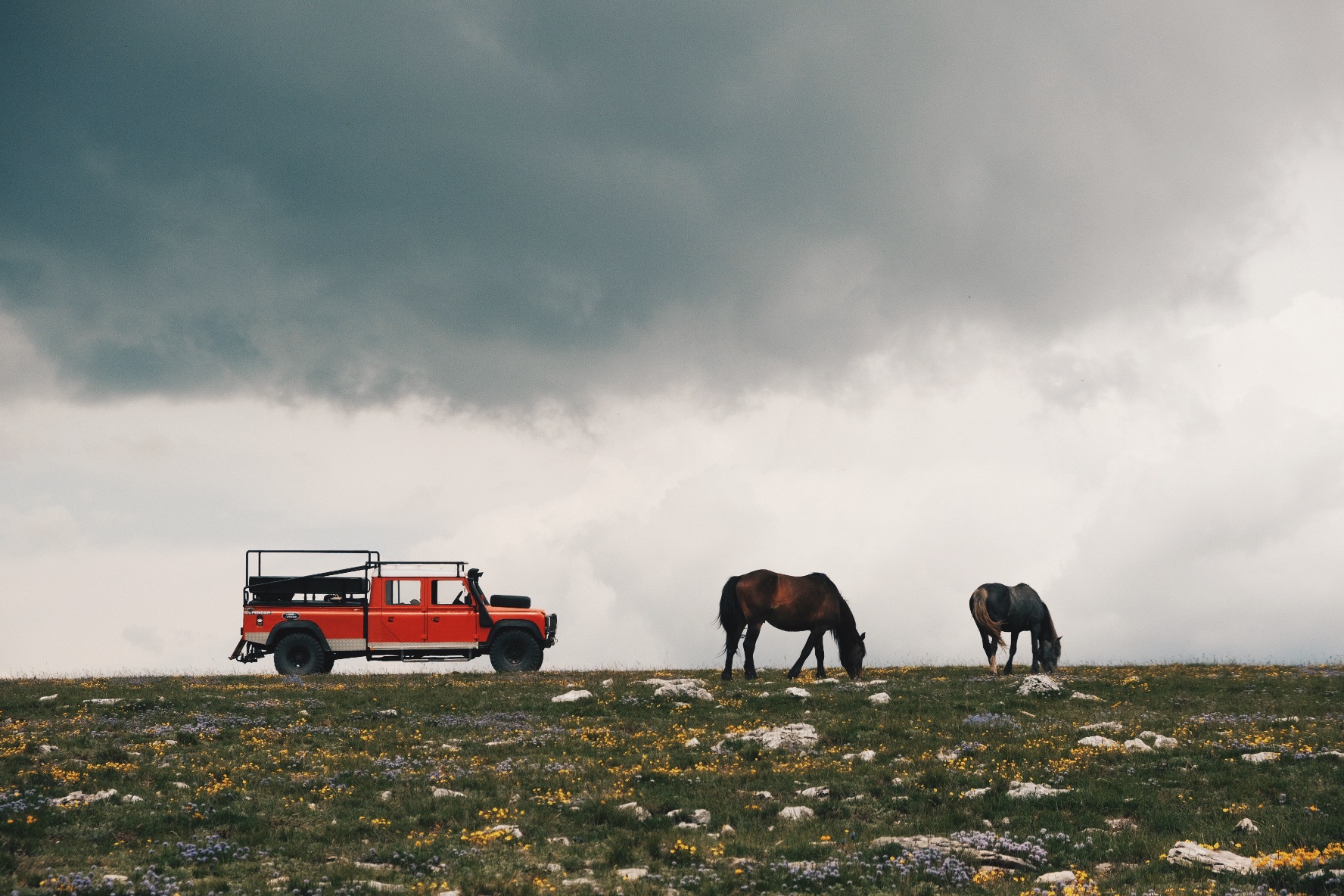
I keep returning to this phrase and this outlook. Beauty is in the mundane. It’s all around, we’re just not receptive to it when we’re rushing around, fretting about the past/future/present, upcoming projects, work, relationships etc.
It’s partly why travel is so magical. It’s a temporary relief from those day to day burdens, and as a result it takes the lens cap off your senses, allowing you to see the beauty that was always there. My all time favourite human being (Pico Iyer) says it better than I ever could :
“And that’s the reason to go somewhere: not to see different things, but to see things differently. Travel is like being in love: suddenly all your senses are marked ‘on.’ You’ve never been so alive. You’ve never been so present. You’re experiencing things few people will ever know. When you’re traveling, you get to sample different versions of yourself.”
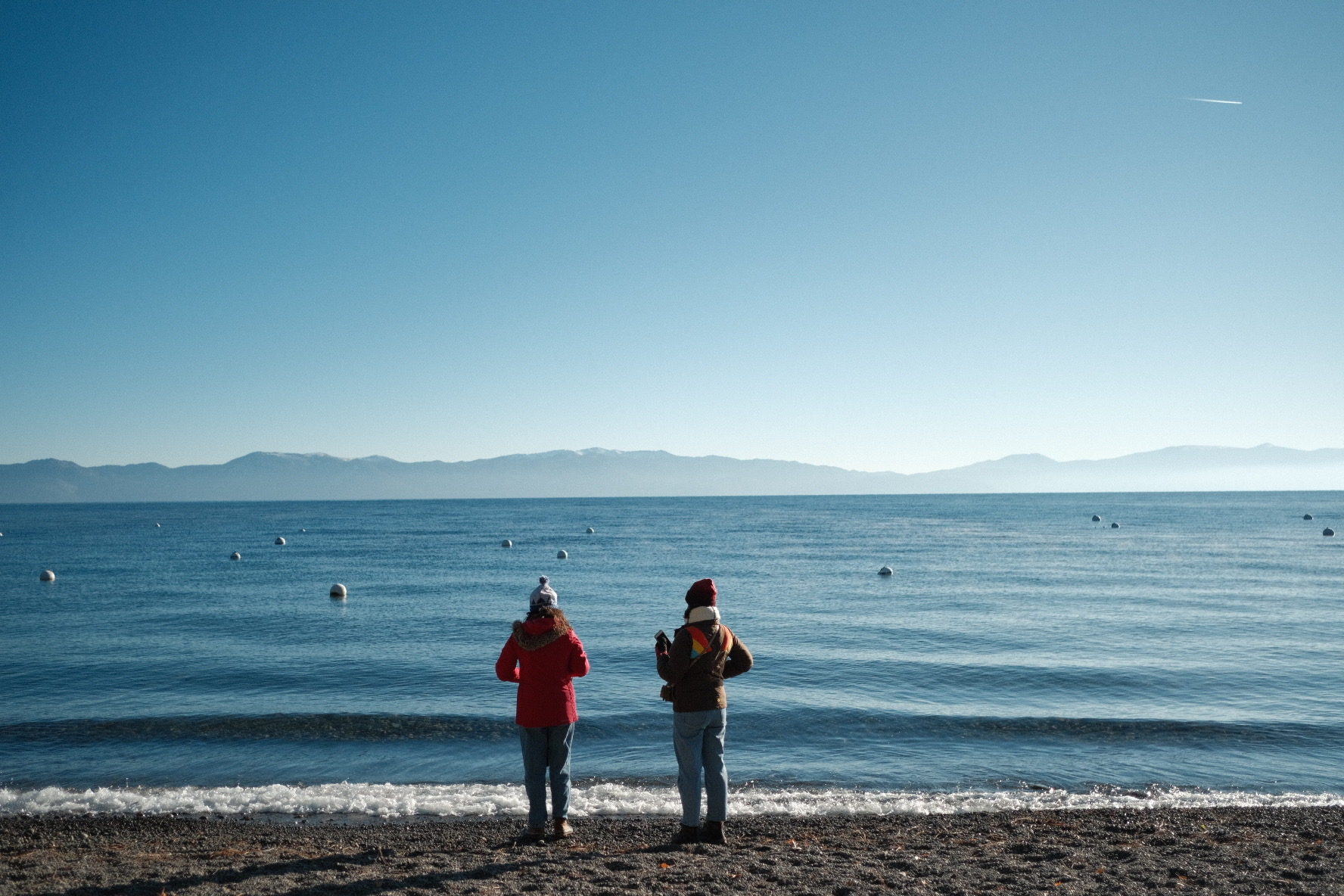
Photography and walking for me is meditation. It’s learning how to see. A reminder :
“A camera is a tool for learning how to see without a camera.” —Dorothea Lange
the importance of rituals
Routine is disguised ritual
David Whyte
Recently, a lot of my time has been spent walking in silence, taking in the sights and sounds of the city, the occasional bird song mixed in with the regular police sirens. It’s been a few months living in London and I’m enjoying the novelty of everything. On weekends, I’m out of the flat 95%+ of the time, and even if there is nothing planned, I just pick a direction and walk and see what comes up.
It’s insane to me how much culture, diversity and art exists. London has been described as a lonely city, but I’ve found that there are infinite number of communities to join, it’s just about scheduling it on the calendar.
Even with so much novelty however, you can’t help but fall into a routine. Working a 9-5 job provides this automatically, but even the smaller routines of which coffee shops you visit, or the activities you do or the restaurants you visit.
This made me think about ritual. I was having lunch with my sister/brother in law (soon to be), and joked that we seem to be having lunch every Sunday now. I realised it’s a ritual, and it’s not a bad thing to call it that. It’s nice to have a regularity to your week, actually scheduling it on the calendar.
I thought about what other rituals I have, and what rituals I would like to have.
I used to regularly go climbing on Tuesday and Thursday evenings with the same people. I’m coming to realise that this was a ritual. It wasn’t about the climbing, it was just about the regularity of coming together. In our atomised digital world, we are losing meeting up in third spaces. I would like this back.
I want to try shape my life to have these social rituals. Some ideas : weekly climbing group, running club, yoga. It needs to be low effort. This is where physical proximity matters a lot for cultivating friendships and relationships.
Internal rituals
I was thinking about the unseen internal rituals one has. Call them habits if you want another word. How do you routinely/habitually use your mind? What kind of thoughts do you think? What kind of feelings do you allow to surface and how do you judge this? Where and how do you direct your attention?
We know that ‘neurons that fire together, wire together’. Repetitive action forms deep grooves in the mind where what was once deliberate action becomes automatic and often unseen.
Examples of internal rituals flow through our daily lives: practicing gratitude for one’s circumstances, mindful self-talk and esteem, cultivating a sense of agency, and the way you greet someone - wishing them well internally with compassion for others.
I suppose the question is : what kind of person do you want to become?
Vacuuming
On retreats, you are usually given a small task that you spend 1 - 1.5 hours a day doing. On the last retreat I went on, I was given vacuuming. I hate vacuuming. It’s a close second to ironing.
But I decided to really bring my practice to the act. On the first day, I realised that I never actually paid attention when hoovering (probably never in my entire life unto that point). I always saw it as something to get ‘done’ rather than a process that one can bring their attention to.
One image that kept on coming up for me, was that of Hirayama, from the recent film ‘Perfect Days’. The level of care and attention he brought to cleaning toilets in Tokyo was that of a zen monk.
I tried to embody this level of attention to hoovering and mopping the floors. By the end of the retreat, hoovering was pure bliss. I made something mundane and previously disliked, into a beautiful act of creativity and care all through the attention brought to it. This attention to the mundane opens doors to seeing transitions everywhere in our lives. Each moment can be a threshold, a chance to pause and notice.
Thresholds
Routine’s can serve as a boundary between moments during the day. Coming from a long day of work, what do you do? What habits do you have to wind down?
Even something as simple as when you walk through a door- you can create a ritual of this. I’m reminded of walking through the torii gates in Japan, it’s customary to bow. The bowing is just a ritual; a gentle reminder to pay attention. And in the act, you are transformed.
Daily anchoring rituals are powerful if noticed. There was this rule in the recent Zen retreat that when one leaves the zendo, you walk such that your right foot is the first to touch the ground when exiting. Just a small reminder again. Pay attention.
Just existing, I find these thresholds everywhere - my daily train commute feels different each time if you pay attention. Entering the train can be a moment of transition rather than just dead time. These thresholds mark the boundaries between different worlds, different versions of the day.
Similarly you can do the same with other actions. When pulling out your phone, what goes through one’s mind? Most times, it’s automatic - a hand reaching for the pocket before the thought even forms. But what if this too became a threshold? A moment to pause, like bowing at a torii gate, before crossing into the digital world. A breath, a thought, an intention.
These modern thresholds might not have the weight of centuries-old traditions, but they can serve the same purpose - creating space between moments, reminding us to notice the transitions in our daily life.
Routine is the way we worship fully at the altar of the timeless. Routine is the way we step down from what is absolutely extraordinary into the miracle of an ordinary day and an ordinary hour. Routine is disguised ritual.
David Whyte
lazy susan method
I was listening to a [podcast with David Eagleman (neuroscientist) and Rick Rubin.
In it Rick Rubin asks Eagleman how has managed to maintain such a prolific output over the years (multiple books, research projects, non profits etc)
Eagleman says he uses what he calls the ‘lazy susie method’.
It is where he works as much as he can on a specific project, until he can’t, and then just switches to something else and works on that, until he can’t etc
I loved this. It’s something I want to emulate for a few reasons
- It keeps things interesting. Having multiple projects/identities/hobbies/interests is more fun
- The combinatorial knowledge gained from working on disparate topics is greater. Work from one field adds to work in another
- It prevents burnout. Putting all your eggs/identity into one basket/project/identity is risky.
- When you hit a brick wall in one domain, you continue to progress in another